Digitalization · April 2, 2026 · 5 min read
5 Signs Your Brand Needs Modernizing, Not a Makeover
 Digitalization
There's a meaningful difference between a brand that needs a fresh coat of paint and one that's quietly, persistently telling customers the business is behind the times — and the two problems require very different solutions. A makeover addresses the first. It doesn't touch the second, no matter how nice the new paint job looks. Here's how to tell which situation a business is actually in.
1. Your website looks older than your business feels
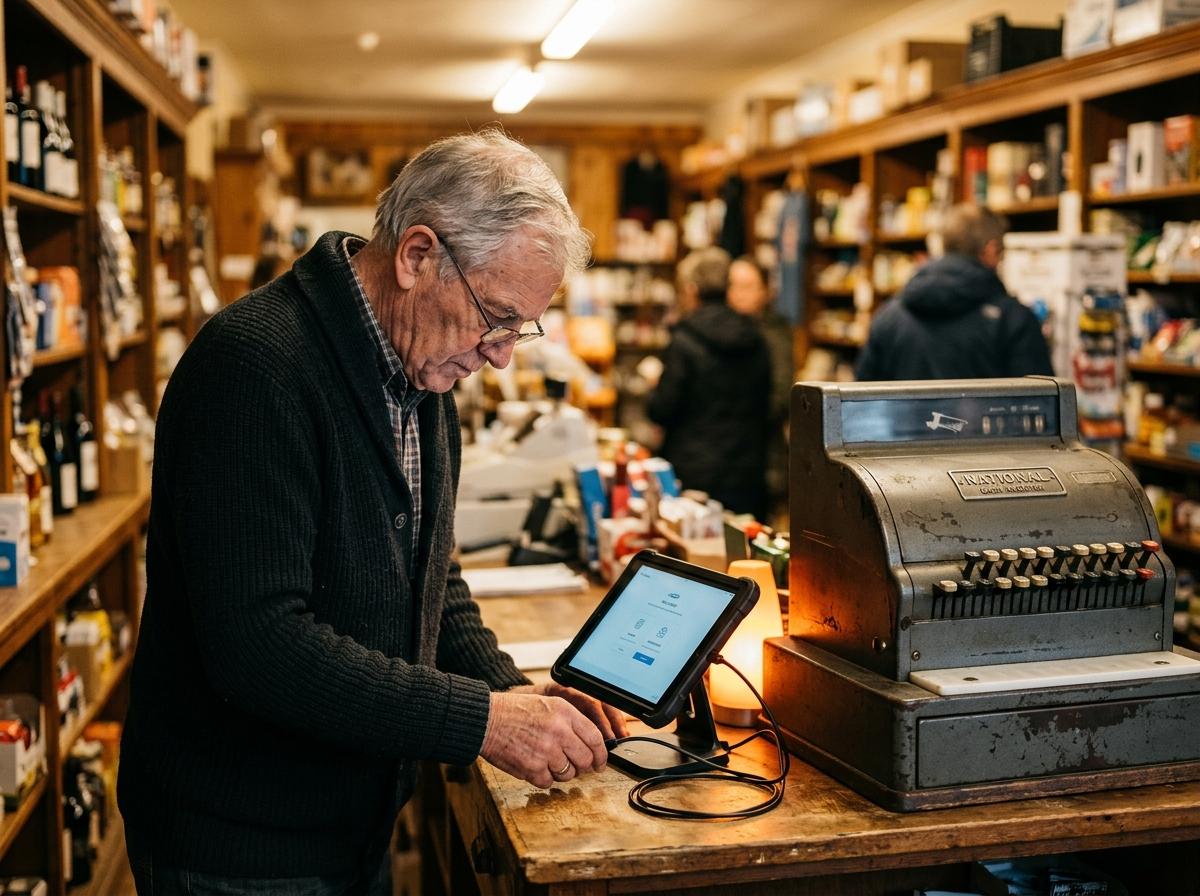
The business has grown, hired, upgraded its equipment or process, taken on bigger and better clients — but the website is still the one built in year one, describing a smaller, earlier version of the company. This is one of the clearest signals, because it's not a matter of taste. It's a factual mismatch between what the business currently is and what it currently communicates to a stranger with no other information.
2. New customers ask questions your homepage should already answer
If prospective customers routinely ask things during a first call that the website should have already made clear — pricing structure, service area, what exactly is included — that's not fundamentally a support or communication problem. It's a clarity problem with the digital presence itself, and no amount of friendlier customer service fully compensates for a front door that isn't doing its job.
3. You hesitate before sharing your own link
This one is informal, but reliable: if there's a flicker of hesitation before sending a prospect the company website — a small internal wince, a mental note of "I should really redo that someday" — that hesitation is worth taking seriously as data. If the team itself doesn't feel fully confident sending the link, a first-time visitor with zero context is going to pick up on whatever is causing that hesitation too, even if they can't name it specifically.
4. Competitors look more current, and it's not because they're better
It's worth distinguishing this precisely: the signal here isn't that a competitor has a nicer website because they're a genuinely stronger business. The signal is competitors looking more current purely because their site is newer, while the underlying quality of service is comparable or even in your favor. That gap is pure presentation, and it's entirely fixable — the frustrating part is watching it cost trust and inquiries in the meantime, for a business that may well be the better actual choice.
5. The brand still works — it just doesn't work for you anymore
This is the subtlest sign and often the most important one. The brand may still be functioning, generating some inquiries, technically representing the business. But it may no longer be attracting the clients you actually want, no longer supporting the prices you now need to charge, no longer reflecting the version of the business you're actually running today versus the one you were running when the brand was first built. A brand can be "working," in a narrow sense, while quietly holding the business back from where it's actually trying to go.
Why this is a modernization problem, not a makeover problem
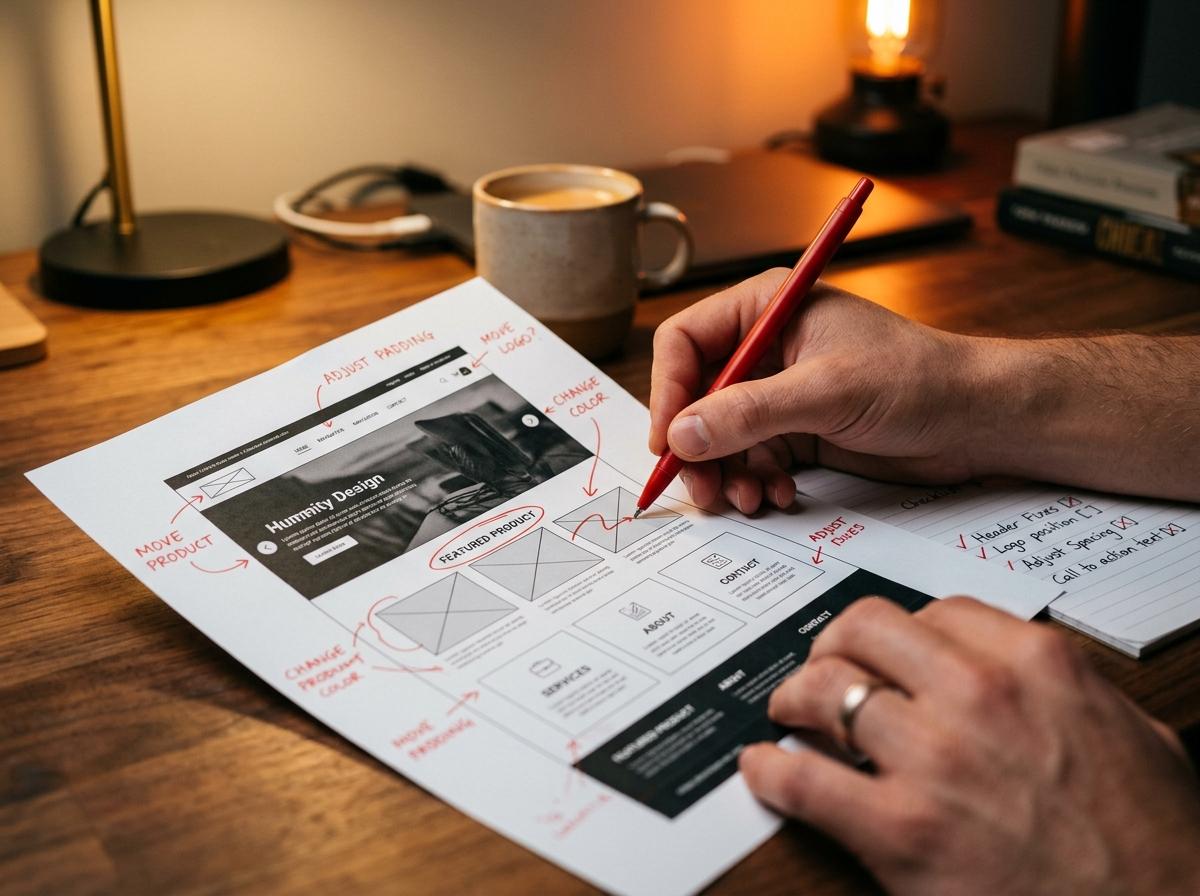
A makeover swaps surface elements — colors, fonts, a refreshed logo mark — while leaving the underlying positioning and message essentially unchanged. That's the right move when the brand's substance is still accurate and only its visual execution has aged. None of the five signs above are visual execution problems. They're substance problems: the brand is communicating something that's no longer true about the business, or failing to communicate something that now is.
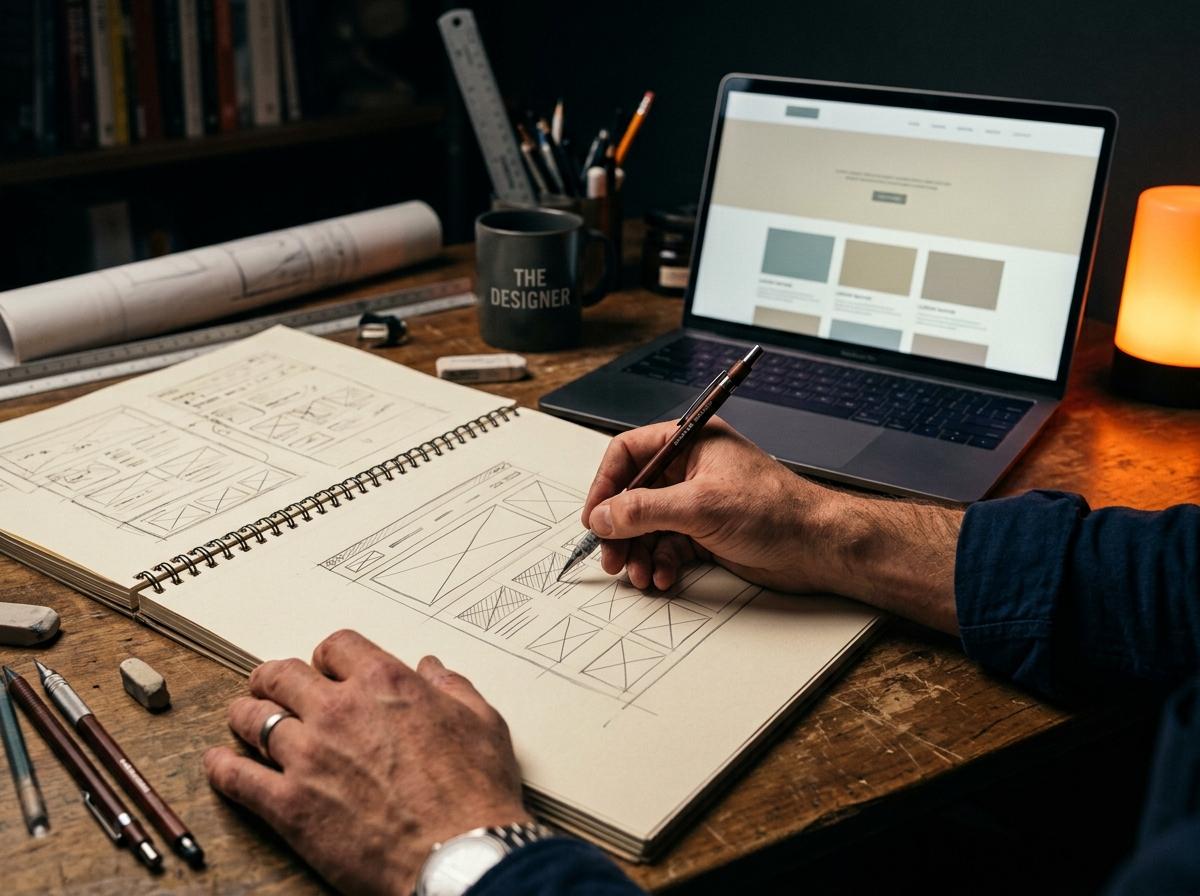
A modernization addresses that gap directly — rebuilding the identity and the site around who the business has actually become, not simply refreshing the surface of who it used to be. That's a more involved process than a makeover, but it's the process that actually closes the gap these five signs point to, rather than papering over it with new colors on the same outdated story.
Putting the five signs together
A well-established interior design studio might recognize three or four of these signs at once without having connected them: the website still shows the smaller residential-only portfolio from years ago, even though the studio now handles larger commercial projects; new inquiries keep asking about services that are, in fact, already offered, just not mentioned anywhere on the site; and the studio's own team has quietly stopped sending the website link to prospective commercial clients, sending a portfolio PDF instead because the site itself no longer represents what they actually do.
Individually, each sign might seem minor enough to postpone addressing. Together, they describe a business that has clearly outgrown its own digital presence — not a cosmetic problem solvable with new photography on the same structure, but a substance gap that only a genuine modernization closes.
The takeaway
If any of these five signs sound familiar, the honest fix usually isn't a lighter refresh — it's a rebuild that starts from where the business actually is today. A makeover on top of an outdated foundation just makes the mismatch look tidier, without addressing why the mismatch existed in the first place.

Keep reading